

Why Reimagining Harriet Tubman Still Matters in 2026
Reimagining Harriet Tubman is not revisionism. It is engagement. In 2026, interrogating myth, memory, and interiority remains essential to how we understand liberation.
Harriet Tubman has long occupied a mythic space in the American imagination.
She is often rendered as fearless, immovable, divinely ordained. But before she was legend, she was human.
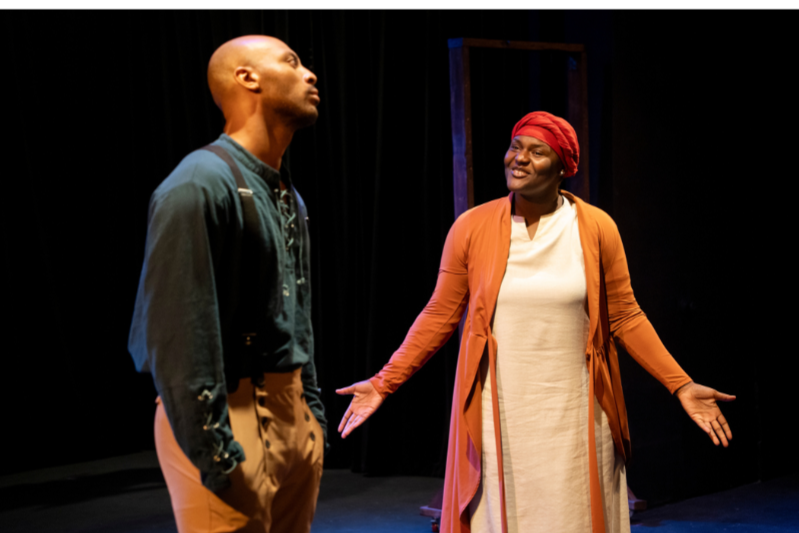
Harriet Tubman: Love Slave explores the emotional and relational dimensions of her early life. It considers marriage, vulnerability, and the psychological terrain of choosing freedom over familiarity.
This work does not seek to diminish her legacy. It seeks to humanize it.
When historical figures are flattened into icons, we lose the complexity that made their choices radical. By exploring Harriet’s interior life, we invite audiences to see liberation not as myth, but as a series of difficult, embodied decisions.
In 2026, conversations around autonomy, agency, and historical memory remain urgent. Revisiting Harriet Tubman through a contemporary lens is not revisionism. It is engagement.
Engagement keeps legacy alive.