

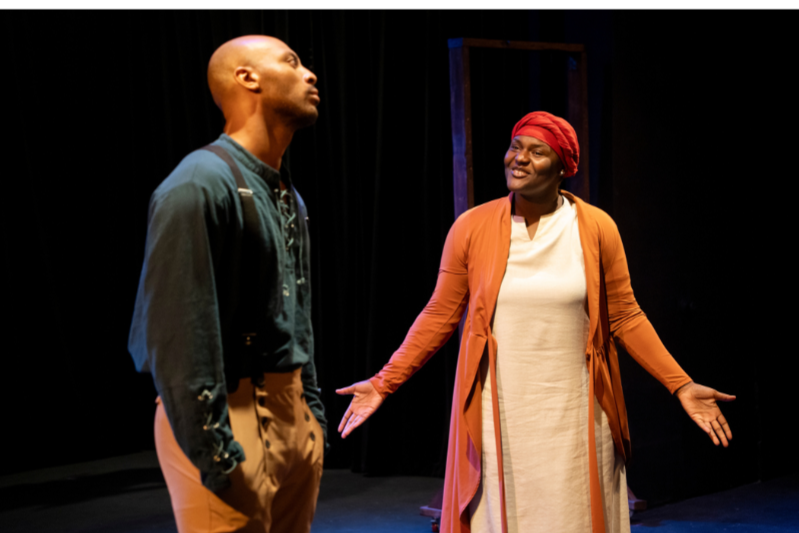
Why Reimagining Harriet Tubman Still Matters in 2026
Reimagining Harriet Tubman is not revisionism. It is engagement. In 2026, interrogating myth, memory, and interiority remains essential to how we understand liberation.
Harriet Tubman has long occupied a mythic space in the American imagination.
She is often rendered as fearless, immovable, divinely ordained. But before she was legend, she was human.
Harriet Tubman: Love Slave explores the emotional and relational dimensions of her early life. It considers marriage, vulnerability, and the psychological terrain of choosing freedom over familiarity.
This work does not seek to diminish her legacy. It seeks to humanize it.
When historical figures are flattened into icons, we lose the complexity that made their choices radical. By exploring Harriet’s interior life, we invite audiences to see liberation not as myth, but as a series of difficult, embodied decisions.
In 2026, conversations around autonomy, agency, and historical memory remain urgent. Revisiting Harriet Tubman through a contemporary lens is not revisionism. It is engagement.
Engagement keeps legacy alive.
What It Actually Costs to Produce Independent Theatre in Los Angeles
Independent theatre in Los Angeles runs on more than inspiration. It runs on deposits, artist stipends, marketing experiments, and community trust. Here’s what it actually costs to produce a Black History Month run from the ground up.
Independent theatre in Los Angeles does not run on inspiration alone. It runs on deposits, contracts, artist stipends, marketing experiments, and a belief that the work must exist even before the audience arrives.
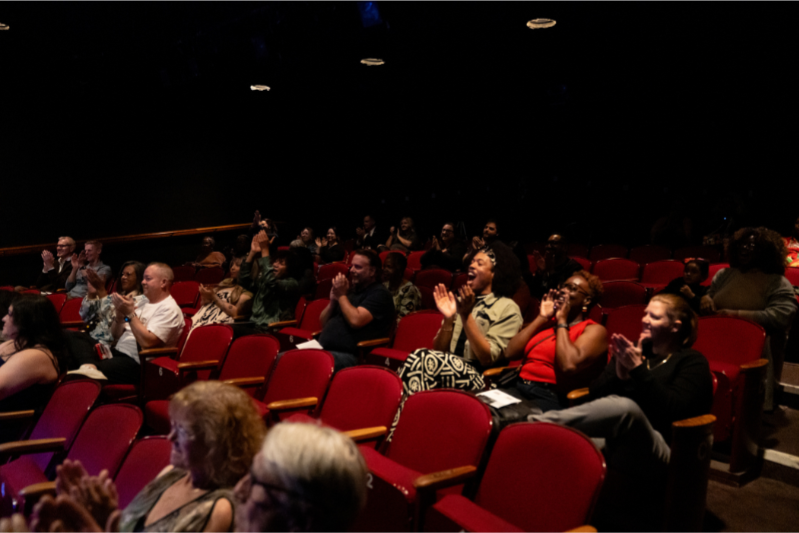
When audiences attend a performance, they see the lights, the costumes, the actors, the applause. What they rarely see is the spreadsheet.
For a recent Black History Month run of Harriet Tubman: Love Slave, our lean production budget included:
Venue rental
Artist stipends
Technical support
Marketing
Documentation
Administrative and insurance costs
Even a modest run can require several thousand dollars before a single ticket is sold.
Unlike large institutions, independent producers often front these costs personally or through community fundraising. Ticket revenue does not arrive upfront. It arrives slowly, seat by seat.
Producing independently requires three simultaneous disciplines:
Creative direction
Financial management
Audience development
You are artist, operator, and strategist at once.
Transparency matters. When audiences understand that a $25 ticket supports working artists, space rental, and technical labor, they are not simply purchasing entertainment. They are sustaining infrastructure.
Independent theatre survives because communities choose to fund it in real time.
Every sold seat is both applause and investment.