


Building Theatre While Working Full-Time in Communications
Producing theatre while working full-time in communications is not a contradiction. It is a strategy for sustainability, discipline, and long-term creative leverage.
I work full-time in communications while producing and directing theatre independently.
For some, that sounds unsustainable. For me, it is strategic.
Corporate communications teaches clarity of message, audience segmentation, rollout timing, and metrics analysis. Theatre demands emotional resonance, collaboration, risk tolerance, and presence.
Rather than competing, these disciplines inform each other.
A performance rollout benefits from marketing precision. A communications strategy benefits from storytelling instinct.
For many working artists, sustainability means hybrid identity. You may be:
Analyst by day
Producer by night
Fundraiser on weekends
Strategist at dawn
The narrative that artists must struggle in isolation is outdated. Many of us build infrastructure alongside our artistry.
Sustainability is not a compromise of craft. It is protection of it.
When artists understand systems, they gain leverage.
And leverage creates longevity.
What It Actually Costs to Produce Independent Theatre in Los Angeles
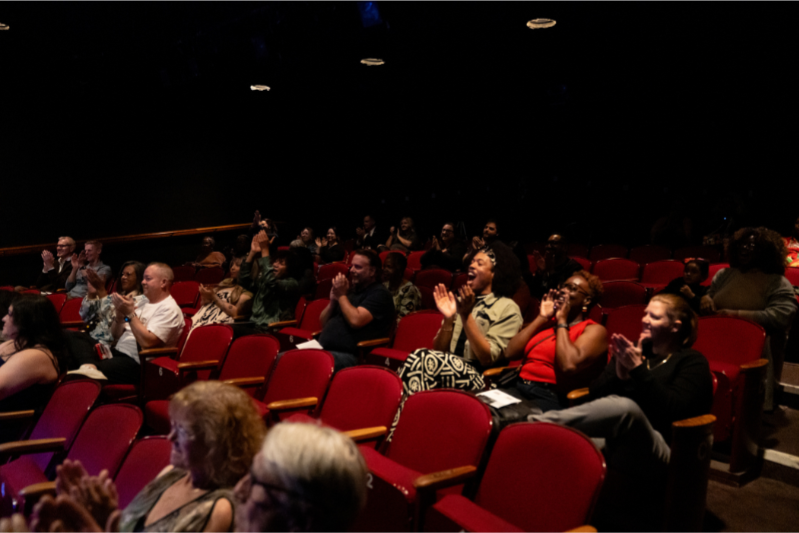
Independent theatre in Los Angeles runs on more than inspiration. It runs on deposits, artist stipends, marketing experiments, and community trust. Here’s what it actually costs to produce a Black History Month run from the ground up.
Independent theatre in Los Angeles does not run on inspiration alone. It runs on deposits, contracts, artist stipends, marketing experiments, and a belief that the work must exist even before the audience arrives.
When audiences attend a performance, they see the lights, the costumes, the actors, the applause. What they rarely see is the spreadsheet.
For a recent Black History Month run of Harriet Tubman: Love Slave, our lean production budget included:
Venue rental
Artist stipends
Technical support
Marketing
Documentation
Administrative and insurance costs
Even a modest run can require several thousand dollars before a single ticket is sold.
Unlike large institutions, independent producers often front these costs personally or through community fundraising. Ticket revenue does not arrive upfront. It arrives slowly, seat by seat.
Producing independently requires three simultaneous disciplines:
Creative direction
Financial management
Audience development
You are artist, operator, and strategist at once.
Transparency matters. When audiences understand that a $25 ticket supports working artists, space rental, and technical labor, they are not simply purchasing entertainment. They are sustaining infrastructure.
Independent theatre survives because communities choose to fund it in real time.
Every sold seat is both applause and investment.